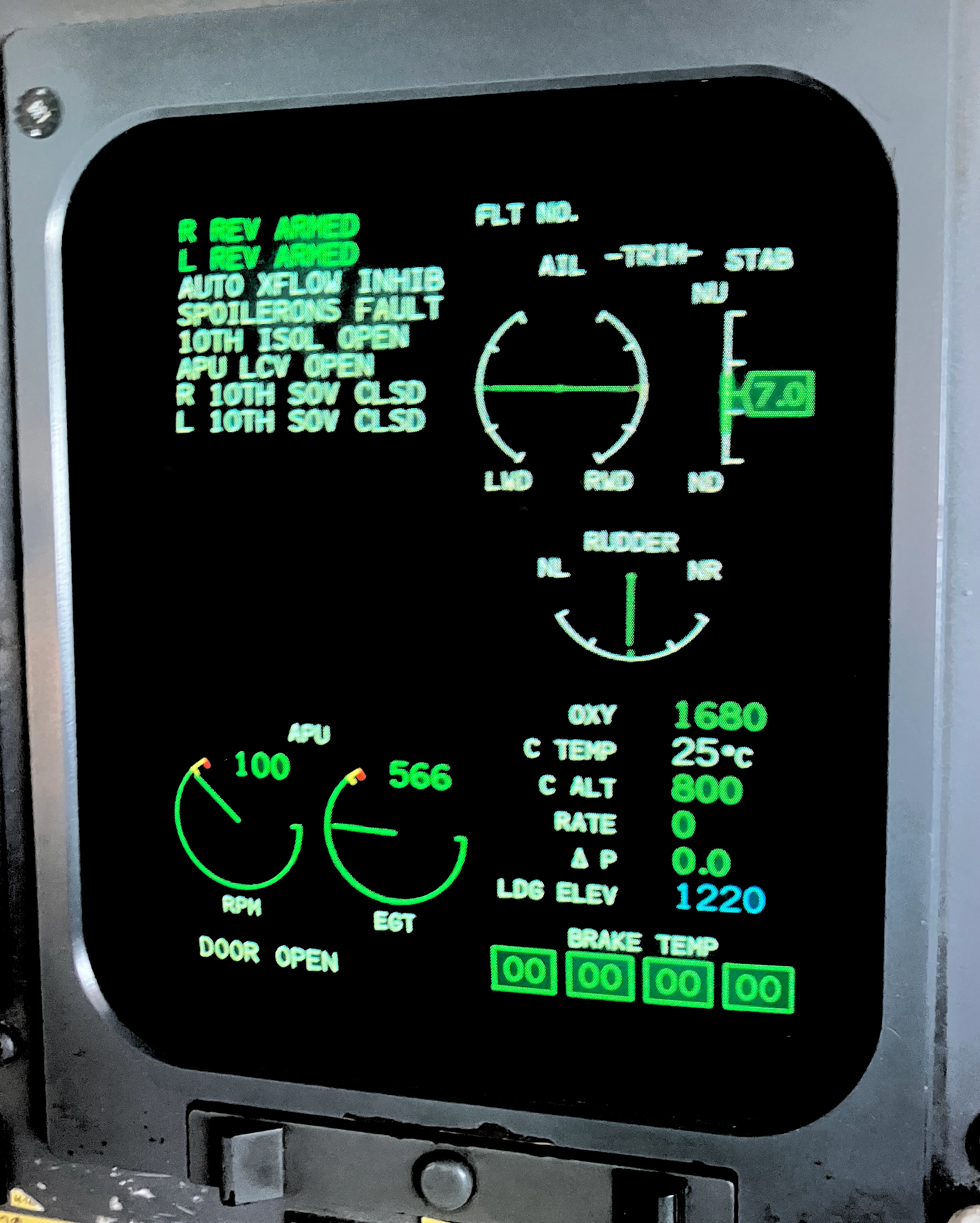
The Brake Temperature Monitoring System (BTMS) consists of a temperature probe for each of the four brakes. There is a numerical readout in the bottom right side of second EICAS display.
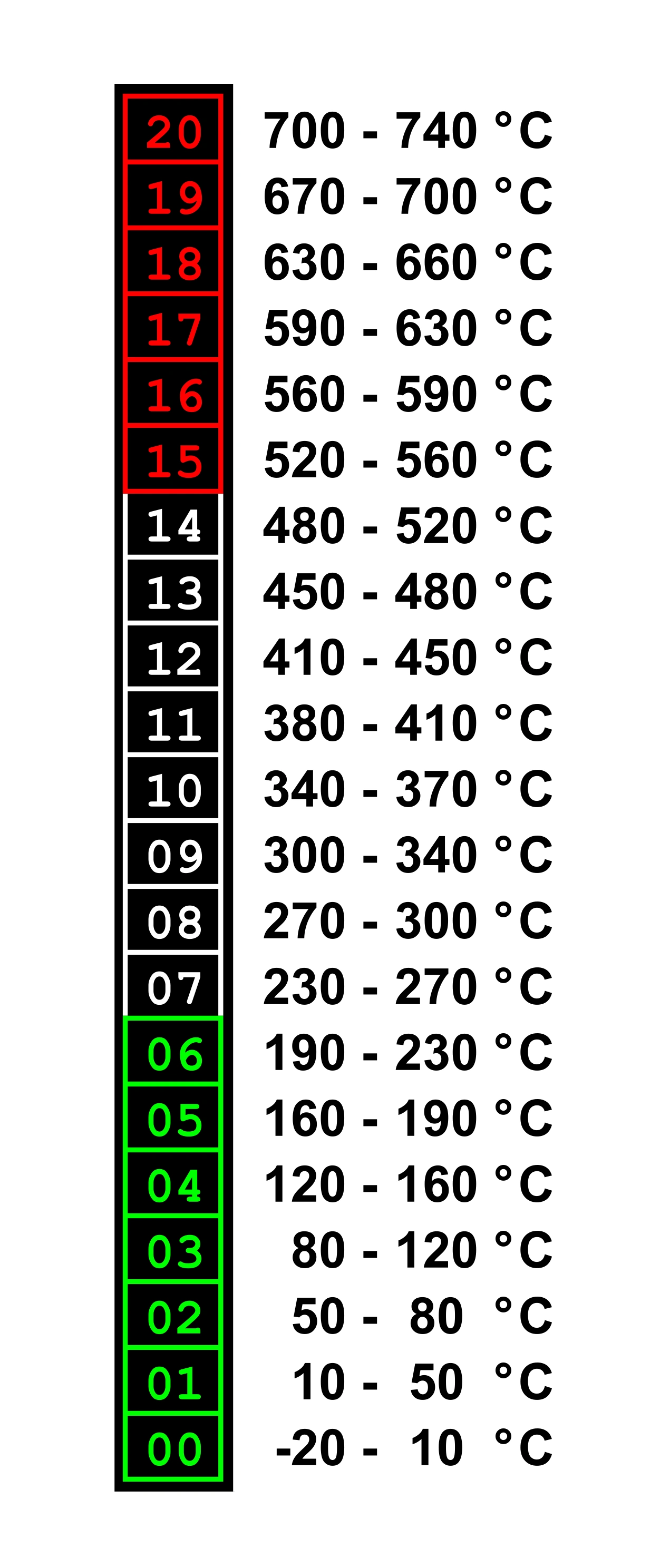
The values range from 00 to 20, and increases in increments of about 35°C.
00-06 is color coded green, 07-14 white, and 14-20 red, indicating an overheat. A reading of six indicates ≤ 220°C and 14 indicates ≤ 492°C.
Based the information from the PRM and FCOM, here is my table of estimated temperature values per BTMS value. The math does not work out perfectly, so I rounded to the nearest 10.
For reference, steel melts around 1500°C (https://www.americanelements.com/meltingpoint.html). Aircraft tires are constructed of rubber which melts at 260° and synthetic fibers which melt at 900°C (https://interestingengineering.com/videos/the-engineering-behind-the-small-but-mighty-airplane-tires).
I don't know what the fusible plug temperature is for my aircraft's wheels, but this manufacturer produces aviation fusible plugs in the range of 140°C to 220°C. (https://precisionaero.com/fusible-plugs/)
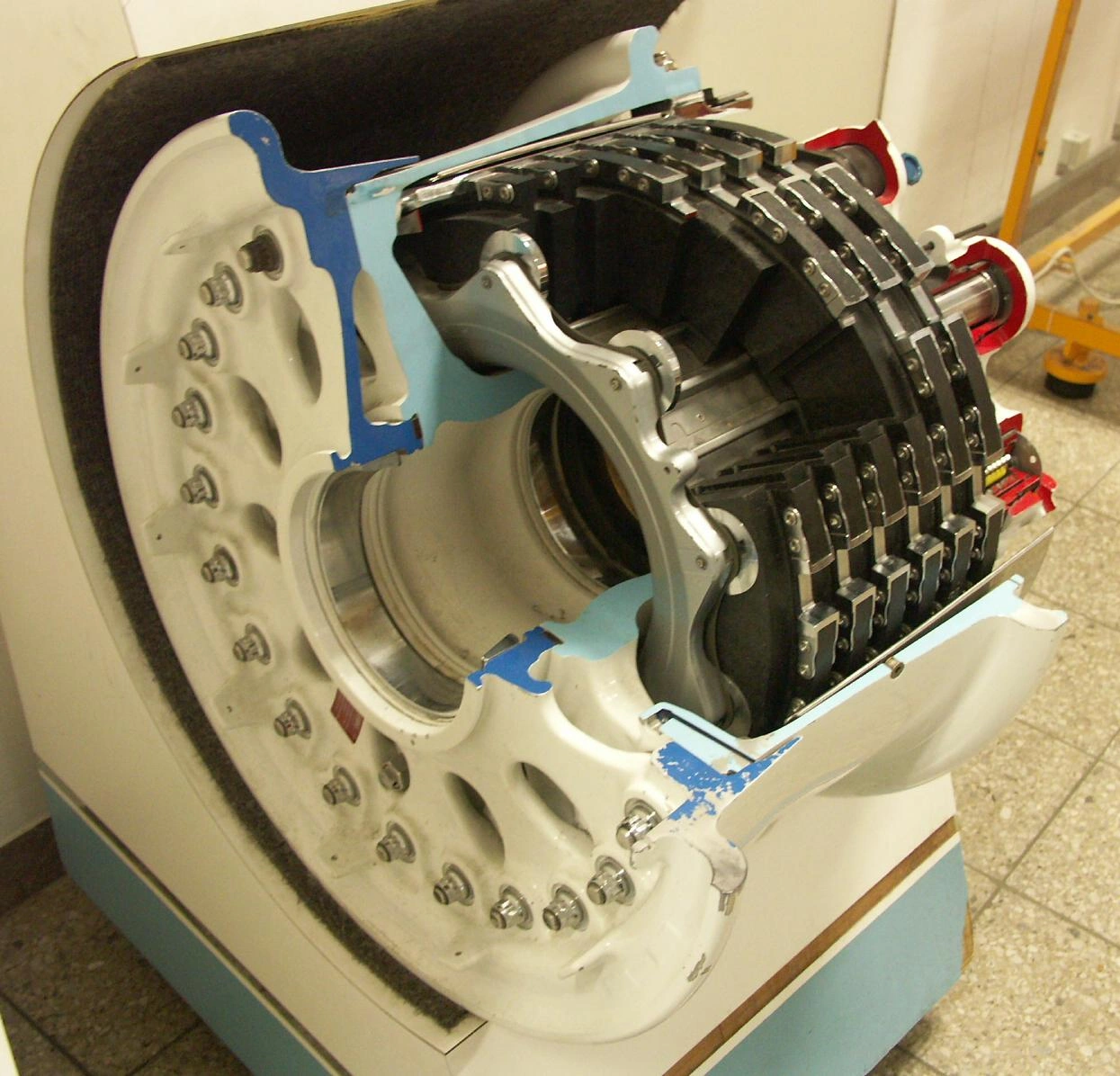
The brakes are also densely sandwiched and located inside the wheel.
After landing or rejected takeoff, 15 minutes must be observed and indications must be green before another takeoff. Temperature indications are not instantaneous. It might take 15 minutes for the heat to 'soak' through the brake and wheel assembly and reach the temperature probe.
Case Study: Falcon CS-DFE
This crew conducted 8 accelerate-stop test runs over the course of 18 minutes until the fusible plugs on their tires melted.
If an overheat warning is displayed, the fusible wheel plugs must be inspected.